Home Inspection Costs Explained: What to Expect and How to Plan Your Budget
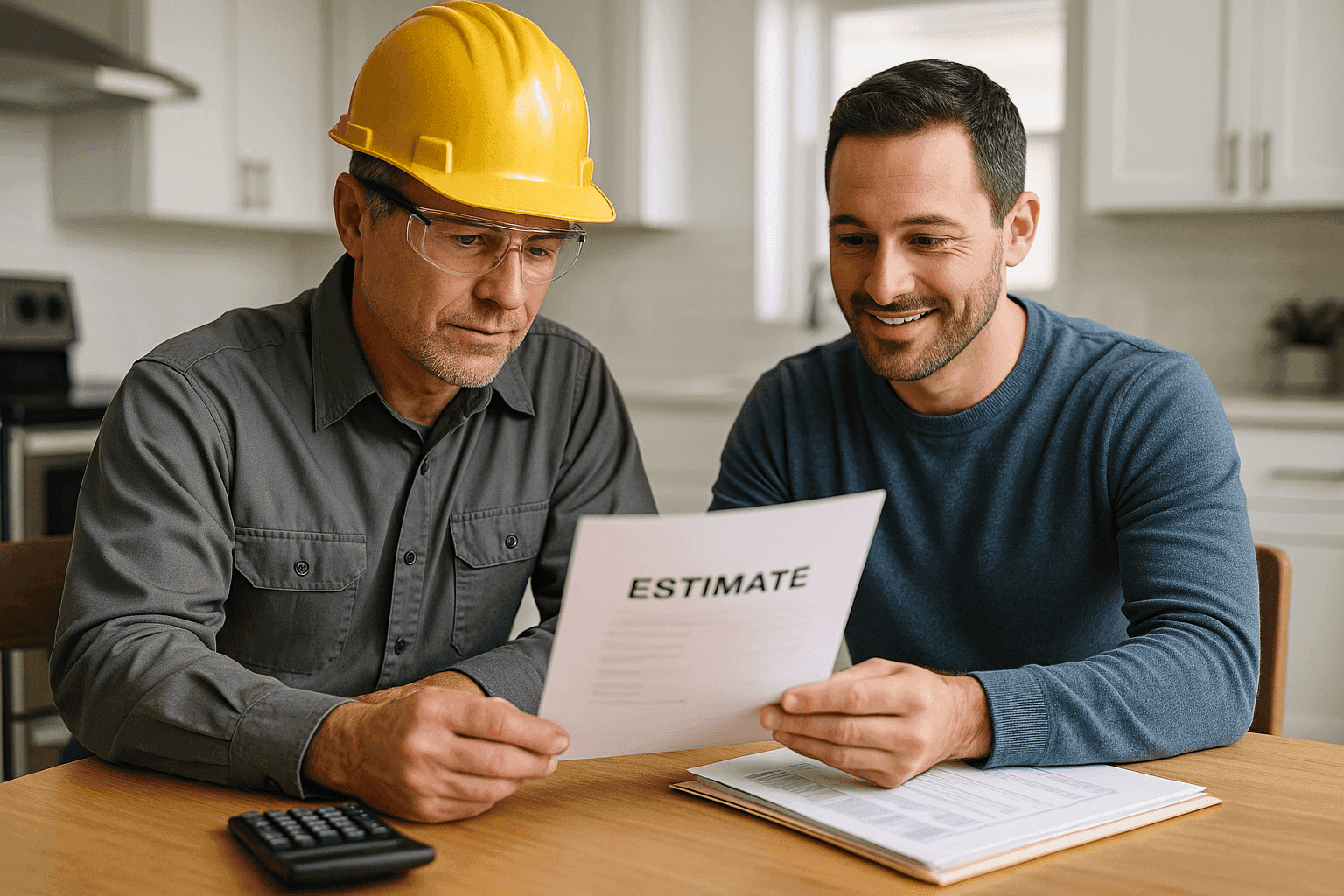
Are you buying or selling a house? Or maybe you just want peace of mind about your home’s condition. Either way, understanding the true costs of a home_inspection can feel like trying to read a map in the dark. The stakes are high, and no one likes surprise bills.
At HiTech Inspect, we believe clarity is power. We’ll walk you through what you can expect to pay for both standard and specialized inspections—so you can plan your budget with confidence and avoid costly mistakes down the road.
Standard Home Inspection Fees
Let’s start with the basics. A general home_inspection is like a yearly physical for your house. It covers the major systems: roof, foundation, HVAC, electrical, plumbing, and more.
Typical price range:
- For most single-family homes, expect $350–$600.
- Condos, townhomes, or smaller properties may fall on the lower end.
- Large or historic homes often cost more.
What’s usually included:
- Structure (foundation, walls, roof)
- Exterior (siding, gutters, decks)
- Interior (walls, ceilings, floors, doors, windows)
- Electrical system (wiring, outlets, panel)
- Plumbing system (pipes, fixtures, water heater)
- HVAC (heating/cooling equipment)
- Attic, basement, crawl spaces
- Garage
What’s NOT usually included:
- Pools and spas
- Septic system inspection
- Sewer scope
- Mold, radon, or asbestos testing
- Well water testing
- Termite inspection
- Lead paint detection
These specialized services are vital but are usually add-ons (more on those soon).
What Affects the Price of a Home Inspection? 🏡
Home_inspection fees aren’t one-size-fits-all. Here’s what can nudge the numbers up or down:
1. Size of the Property
A one-bedroom condo takes less time than a five-bedroom house with multiple outbuildings. Larger homes mean more systems and more square footage to examine.
2. Age of the Home
Older homes can be like time capsules—full of character, but also surprises. Inspectors may need more time to check for outdated wiring, older plumbing, or other hidden issues.
3. Location
Urban, suburban, or rural? Travel time matters. Homes in remote or hard-to-reach areas may cost more to inspect.
4. Extra Features
Add-ons like pools, spas, detached garages, or guest houses call for extra scrutiny—and usually, an extra fee.
5. Foundation and Access
Crawl spaces, steep roofs, or challenging access points can increase inspection time (and cost).
6. Inspection Timing
Need a same-day or weekend inspection? Some companies charge a premium for rush service.
Tip: Always ask what’s included in your quote. Don’t be shy about spelling out your property’s details and any unique features.
Cost of Specialized Inspections
Standard inspections are broad, but sometimes you need a sharper lens. Here’s what you can expect for common specialized add-ons:
Radon Testing
- Typical cost: $100–$250
- Radon is a colorless, odorless gas that can cause lung cancer. The EPA recommends testing in all homes.
Sewer Scope Inspection
- Typical cost: $150–$400
- A tiny camera snakes through your sewer lines to spot cracks, blockages, or tree root invasions.
Mold Inspection
- Typical cost: $300–$600
- Includes air sampling and moisture checks. Mold can pose health risks and is often hidden.
Septic System Inspection
- Typical cost: $250–$500
- Septic System Inspection near you is crucial if your home isn’t on municipal sewer.
Asbestos, Lead, and Water Quality Testing
- Typical cost: $200–$500 per test
- These are especially important in older homes.
Termite & Pest Inspection
- Typical cost: $75–$150
- Required in some states for real estate transactions.
Energy Efficiency Evaluations
- Typical cost: $200–$400
- Useful for identifying ways to cut utility bills.
Remember: Prices can vary by region. Always confirm with your inspector what’s included in each add-on.
How to Compare Inspector Quotes
It’s tempting to reach for the lowest price, but that can be like buying an umbrella that turns inside out at the first gust of wind. Here’s how to weigh your options:
- Check credentials: Are they licensed, certified, and insured? Look for inspectors affiliated with groups like ASHI (American Society of Home Inspectors) or InterNACHI.
- Ask for a sample report: Is it clear, detailed, and easy to understand?
- Clarify what’s included: Don’t assume. Ask specifically about specialized systems, outbuildings, or unique property features.
- Beware of low-ball offers: If it sounds too good to be true, it often is. Some low-cost inspectors may skip important steps or rush.
- Read reviews: Focus on those that mention thoroughness and communication.
Tip: Ask for an itemized quote so you know exactly what you’re paying for—and what might cost extra.
Value vs. Price: Why Quality Matters 💡
A home_inspection is more than a checkbox in the buying or selling process. It’s your safety net. Skimping on a reputable inspector can cost you thousands later. Think of it as buying a flashlight before heading into a dark basement—you want the one that actually lights up the corners.
Long-Term Savings
- Catching small leaks or faulty wiring early can prevent bigger, pricier disasters.
- A thorough inspection can give you bargaining power in negotiations.
- It can also help you plan for future repairs and avoid “money pit” surprises.
What You’re Really Paying For
- Time spent on site (usually 2–4 hours for a typical home)
- Detailed written report (often with photos and recommendations)
- Inspector’s training, experience, and specialized tools
Tip: Price is important, but value is critical. The lowest bid is rarely the best investment.
Tips to Maximize Your Inspection Value
- Be prepared: Provide all property details up front, including square footage, age, and special features.
- Ask questions: Don’t hesitate to clarify anything you don’t understand.
- Attend the inspection: If possible, walk through with the inspector. You’ll learn a lot more.
- Review the report carefully: Use it as your roadmap for repairs or negotiations.
- Plan for add-ons: If your property has a pool, septic system, or is in an area known for radon, budget for those inspections.
Avoiding Surprise Fees
No one likes hidden costs. Here’s how to keep your budget predictable:
- Clarify travel fees: Some inspectors charge extra for long distances.
- Confirm re-inspection charges: If you need a follow-up, know what it will cost.
- Ask about cancellation policies: Life happens—check if there’s a fee for rescheduling.
- Get everything in writing: An itemized quote protects you from “extras” you didn’t agree to.
FAQ: Home Inspection Costs
How much does a standard home_inspection cost?
Most standard home inspections for a single-family home range from $350 to $600, depending on size, age, and location.
Are specialized inspections worth it?
If your home has a septic system, pool, or is in an area known for radon or termites, these inspections can catch big problems early and save you money long-term.
Will insurance cover inspection costs?
Generally, no—insurance doesn’t cover routine inspections. However, some tests (like mold or radon) may be tax-deductible. Ask your tax professional.
Can I negotiate inspection fees?
Some inspectors may have set rates, but it never hurts to ask—especially if you’re bundling multiple inspections.
Local and Seasonal Considerations 🌦️
Home_inspection needs change with the seasons and your local climate:
- Winter: Snow can limit access to roofs and exterior features. Schedule roof or gutter inspections before the first freeze.
- Spring: Ideal for exterior, foundation, and water quality checks—thawing ground reveals issues.
- Summer: Prime time for pool, spa, and deck inspections.
- Fall: Schedule chimney and fireplace inspections before heating season.
In flood-prone or high-radon areas, specialized tests may be more urgent. Check local building codes and guidelines (like those from the U.S. Department of Housing and Urban Development or the Environmental Protection Agency) for recommendations in your region.
Planning Your Inspection Budget: Final Thoughts
A home_inspection is one of the smartest investments you’ll make—whether you’re buying, selling, or simply maintaining your biggest asset. Knowing what to expect for both standard and specialized inspection costs helps you avoid surprises and plan wisely.
Budget for the basics, ask about extras, and never be afraid to get specific about your property’s needs. A clear quote is your best friend.
Ready to schedule or just want reliable advice?
Call HiTech Inspect now — or reach us anytime at 844-484-8363 .