Choosing a Home Inspector: Questions Every Homeowner Should Ask Before Hiring
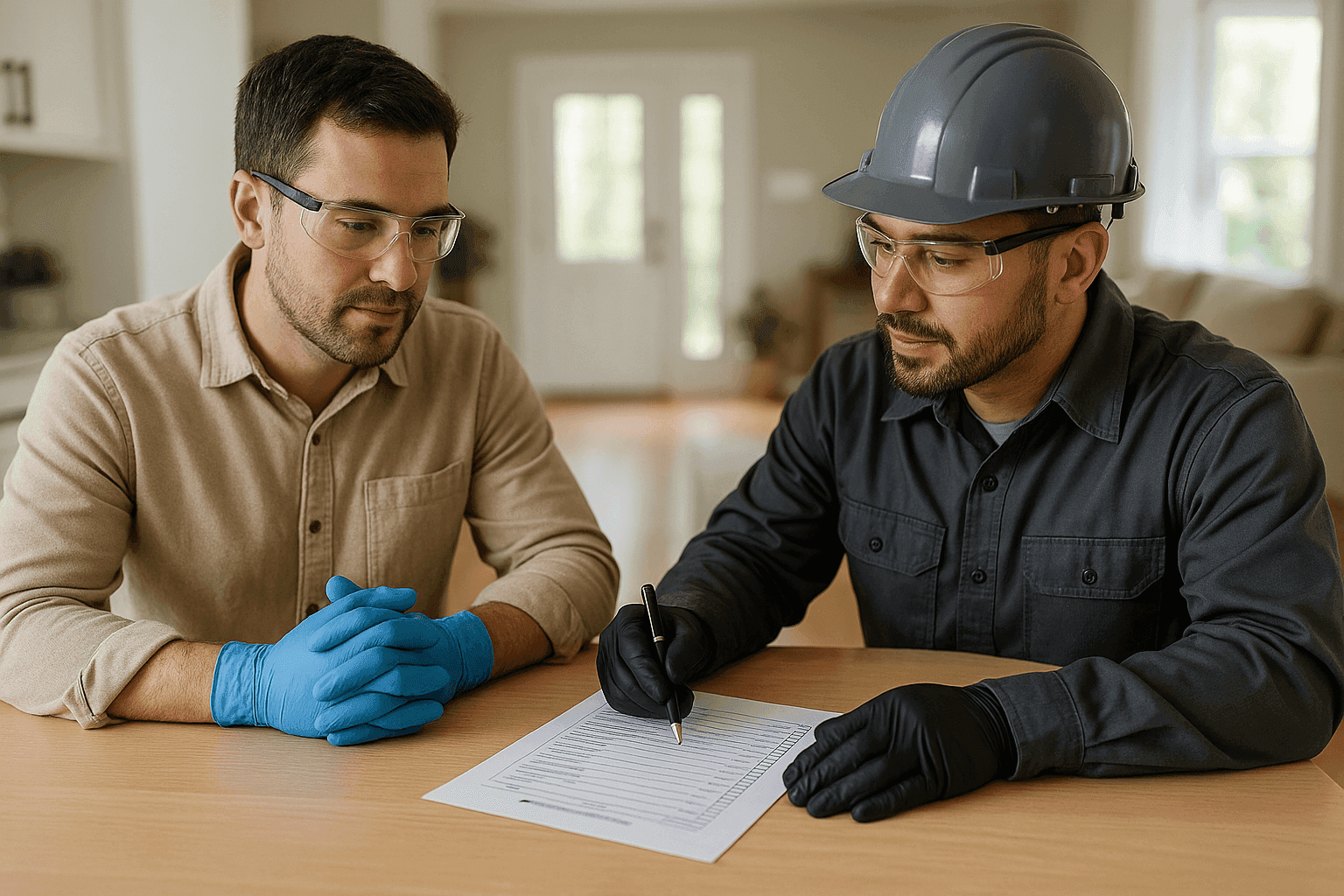
Buying or selling a home is a milestone. But it can also feel like navigating a maze—one where every turn matters. The right home_inspection can make all the difference. It’s peace of mind. It’s safety. It’s smart investment.
At HiTech Inspect, we know that choosing a home inspector is more than checking a box. It’s about trust, diligence, and asking the right questions. Here’s your guide to picking the best professional for your next inspection—whether you need a Septic System Inspection near you, a Roof Inspection, or a full Pre-Purchase Home Inspection.
Inspector Credentials and Experience 🏅
Not all inspectors are created equal. Credentials are more than just letters after a name—they’re the blueprint for safe, reliable service.
Why Certifications Matter
- Certified inspectors are trained to recognize issues that others might miss.
- Look for accreditations from organizations like ASHI (American Society of Home Inspectors) or InterNACHI (International Association of Certified Home Inspectors).
- Ask about ongoing education. The best inspectors keep learning, just like building codes keep changing.
Experience Counts
- How many inspections have they completed? More isn’t always better, but it does mean they’ve seen a range of homes—from 1920s bungalows to new builds.
- Do they specialize? For example, if you need Radon Testing or Asbestos Inspection, ask about their background in those fields.
Insurance and Licenses
- Always ask: Are you licensed in this state? Do you carry errors and omissions insurance?
- Insurance isn’t just paperwork—it’s your safety net if something is overlooked.
Sample Questions:
- What certifications do you hold?
- How many years have you been inspecting homes?
- Are you familiar with current state and local codes?
Understanding Inspection Reports 📄
A good inspector isn’t just a set of eyes—they’re your translator for all things home.
What to Expect in a Report
- Clear, organized findings. Think of it as a roadmap, not a riddle.
- Photos with notes where issues are found—like a cracked foundation, aging roof, or evidence of mold.
Ask for a Sample Report
- This is your window into their process. Does it make sense? Is it thorough?
- The report should include:
- Detailed summaries, not just checkboxes.
- Explanations for technical terms.
- Recommendations for next steps.
Communication Style
- Will the inspector walk you through the results? A good pro welcomes your questions.
Sample Questions:
- Can I see a sample inspection report?
- Will you explain your findings in person or by phone?
- How soon after the inspection will I get my report?
Service Scope and Limitations 🧰
Every home is unique. So is every inspection.
Clarify What’s Included
- Not all inspections cover everything. For example:
- Septic System Inspection near you
- HVAC Inspection
- Roof and Chimney Inspection
- Mold and Asbestos Inspection
- Indoor Air Quality Testing
Limitations and Exclusions
- Inspectors can't see through walls or predict future events. They report on what’s visible and accessible.
- Some services, like Sewer Scope Inspection or Lead Paint Inspection, may cost extra or require special tools.
Know Before You Book
- Is the pool or spa included?
- What about outbuildings, decks, or crawl spaces?
- Can they handle specialized tests, like Carbon Monoxide Testing or Water Quality Testing?
Sample Questions:
- What’s included in your standard home_inspection?
- Are there areas you can’t inspect? Why?
- Can you add on services like Termite Inspection or Electrical System Inspection?
Sample Questions to Ask Your Home Inspector
Going into your first conversation, keep it simple but thorough. These questions open doors—and eyes.
- How do you keep up with the latest safety and building standards?
- What tools or technology do you use for inspections?
- Can you provide references from past clients?
- What’s your process for reporting urgent safety issues?
- Will you walk the property with me after the inspection?
- How do you handle conflicts of interest (e.g., do you ever perform repairs on homes you inspect)?
Red Flags to Avoid 🚩
Not every inspector is a fit for every home. Some warning signs just aren’t worth ignoring.
- Reluctance to Show Credentials: If they dodge questions about licensing or insurance, look elsewhere.
- Vague or Incomplete Reports: Short reports with few photos and no explanations are a bad sign.
- No References or Poor Reviews: Consistent complaints about missed issues or unprofessional conduct matter.
- Pressure for Quick Decisions: A quality inspection takes time. Rushed jobs can miss costly problems.
- “One Size Fits All” Approach: Every home is different. Your inspector should treat it that way.
Evaluating Online Reviews and References
Online reviews are like weather forecasts—they aren’t perfect, but they give you a sense of what’s ahead.
- Look for patterns, not one-off complaints.
- Are reviewers mentioning timely communication, thorough reports, or attention to detail?
- Ask for references. A few short calls can tell you more than a dozen reviews.
Why Certifications and Insurance Matter
When you hire an inspector with proper certifications and insurance, you’re hiring someone who has demonstrated their commitment to the field. It’s about accountability. It’s about safety.
The International Association of Certified Home Inspectors (InterNACHI) and the American Society of Home Inspectors (ASHI) lay out standards for practice and codes of ethics. Familiarize yourself with their guidelines—they set the bar for quality.
The Importance of Clear Communication
A home_inspection is only as good as your understanding of it. The best inspectors are guides, not gatekeepers. They answer questions, explain findings, and make sure you know what’s urgent and what can wait.
Practical Tips for a Successful Inspection
- Be present for the inspection if you can. You’ll learn more by seeing issues firsthand.
- Take notes. Ask questions as you go.
- Request clarification on anything you don’t understand.
- Don’t be afraid to ask “why” or “how.”
- Review your report carefully and follow up if something’s unclear.
Key Services to Consider
HiTech Inspect offers a broad range of services tailored for residential properties:
- Septic System Inspection near you
- HVAC Inspection
- Exterior and Roof Inspection
- Home Wiring and Electrical System Inspection
- Sewer Scope Inspection
- Radon and Mold Testing
- Basement, Deck, Patio, and Pool Inspection
- Pre-Listing and Pre-Purchase Home Inspection
- Foundation and Structural Inspection
- Water Quality and Well Water Testing
- Fire Safety and Appliance Inspection
Ask about which services are relevant for your situation. For example, a home with an older chimney may need a Chimney Inspection, while a new build might benefit from a New Construction Inspection.
FAQ: What Homeowners Ask Us Most
How long does a typical home_inspection take?
Most inspections take two to four hours, depending on the size and condition of the home.
Do I need to be present during the inspection?
It’s not required, but strongly recommended. You’ll get more value from seeing issues firsthand and asking questions on the spot.
Can I request additional testing?
Absolutely. From Radon Testing to Lead Paint Inspection, just let us know what you need.
What if something is missed?
That’s where insurance and professionalism come in. Always ask about processes for reporting and resolving overlooked issues.
Local and Seasonal Considerations 🌦️
While every home is different, your local climate and season can affect what needs to be checked.
- In colder regions, pay special attention to basements, crawl spaces, and attic insulation.
- During rainy seasons, ask about gutter inspections, roof leaks, and water quality.
- For homes with older heating systems, HVAC Inspection and Carbon Monoxide Testing matter most.
Choosing HiTech Inspect: The Professional Difference
A home_inspection is more than a checklist. It’s your safety net. Your guide. Your confidence when making one of life’s biggest decisions.
HiTech Inspect combines years of experience, rigorous training, and a commitment to clear, honest communication. Whether you’re looking for a Septic System Inspection near you or a full-spectrum Pre-Purchase Home Inspection, our inspectors are ready to help you make the best, safest decision for your future.
Call HiTech Inspect now — or reach us anytime at 844-484-8363 .