Radon, Mold, and Asbestos: How to Detect and Address Hidden Home Hazards
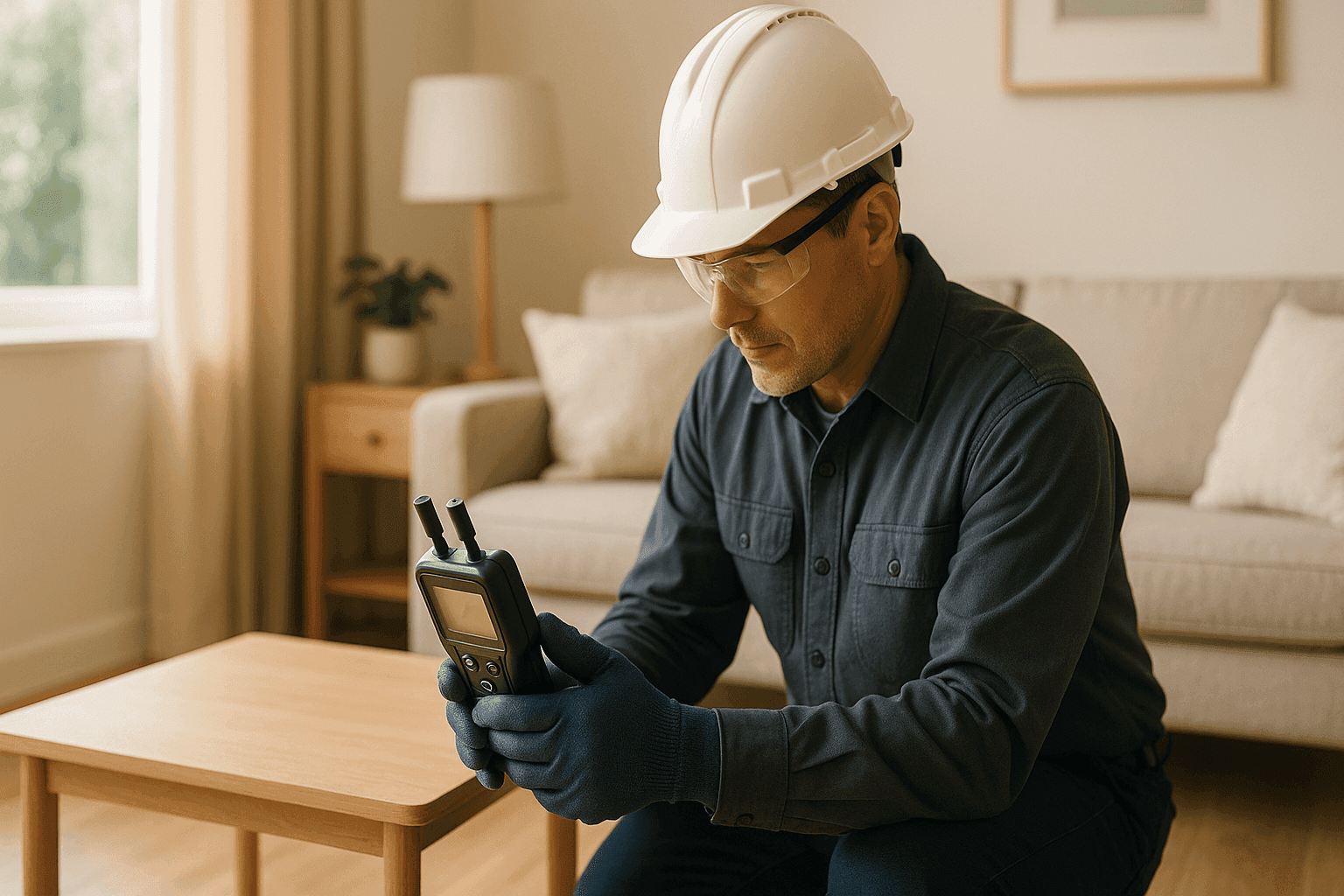
Every home has secrets. Some are harmless—like an old love letter behind the drywall. Others, like radon, mold, and asbestos, quietly threaten your health long before you ever see, smell, or touch them.
At HiTech Inspect, we know these hidden hazards aren’t rare. They’re just hard to spot. And when it comes to your family’s well-being, what you can’t see can hurt you. That’s why our home_inspection services—including Radon Testing, Mold Inspection, and Asbestos Inspection—look past surface issues to reveal what truly matters.
Why Testing Matters 🏠
Think of your home as a castle. Its walls may look sturdy, but invisible intruders—radon gas, microscopic spores, or asbestos fibers—can slip in through the cracks. These hazards don’t announce themselves with sirens. They work in silence, building up over months or years.
Many homeowners assume if a home smells fresh and looks clean, it must be safe. But most indoor air hazards have no odor, no taste, and no obvious signs at first. According to the Environmental Protection Agency (EPA) and the Centers for Disease Control (CDC), radon, mold, and asbestos are among the leading causes of home-related illness in the U.S.
Routine home_inspection—especially before buying, selling, or renovating—can catch these dangers early. That’s why “Septic System Inspection near you” is often paired with air and material testing. Because a thorough check is the only way to truly know what’s lurking behind your walls.
How to Detect Radon, Mold, and Asbestos
Radon Detection
- What is radon?
Radon is a radioactive gas. It seeps up from the soil and collects in low areas—basements, crawl spaces, ground floors. - How do you find it?
Standard home_inspection tools can’t pick up radon. Instead, specialized radon detectors are left in your home for 48–96 hours to measure gas levels. The EPA recommends testing even if your neighbor’s home tested safe; levels vary house to house. - When to test:
If you’re buying, selling, or haven’t tested in two years—schedule a test. After big renovations or weather changes is also smart.
Mold Detection
- What is mold?
Mold is a living organism, feeding on moisture and organic material (like wood and drywall). Some strains are harmless. Others, like black mold, release toxins. - How do you find it?
Visual inspection helps, but mold often hides inside walls or under floors. Professionals use moisture meters, air sampling, and lab testing to spot invisible infestations. - When to test:
After water damage, musty odors, or unexplained allergies in your family.
Asbestos Detection
- What is asbestos?
Asbestos was used in insulation, floor tiles, and roofing in homes built before the 1980s. Its fibers are dangerous when disturbed and inhaled. - How do you find it?
You can’t tell by looking. Certified inspectors take material samples and send them to a lab. Never cut or disturb suspected asbestos on your own. - When to test:
Before renovation, demolition, or if your home is older and you’re unsure about materials.
Health Risks and Symptoms
Invisible dangers can have very real effects.
Radon
- Risks:
Leading cause of lung cancer among non-smokers (EPA). - Symptoms:
No immediate symptoms. Risk builds with time. If multiple family members develop persistent coughs or unexplained respiratory issues, consider testing.
Mold
- Risks:
Allergies, asthma, respiratory infections, headaches, skin rashes. - Symptoms:
Chronic sneezing, coughing, itchy eyes, worsening asthma, fatigue, sinus infections—especially in damp areas of the home.
Asbestos
- Risks:
Lung cancer, mesothelioma, asbestosis. - Symptoms:
Shortness of breath, dry cough, chest pain—but symptoms may not appear for decades after exposure.
Remediation Steps
When hazards are confirmed, quick and safe action matters. Here’s what to expect:
Radon
- Mitigation:
Professionals install a vent pipe system and fan, which pulls radon from beneath your home and vents it outside. - Follow-up:
Re-test to ensure levels stay below EPA guidelines (4.0 pCi/L).
Mold
- Removal:
Remove and replace affected materials. Use HEPA air scrubbers and dehumidifiers. Clean all surfaces with EPA-approved solutions. - Prevention:
Fix leaks. Ensure proper ventilation. Keep humidity below 50%.
Asbestos
- Abatement:
Only licensed contractors should remove or seal asbestos. They use containment, negative air pressure, and personal protective equipment (PPE). - Disposal:
Asbestos waste must be handled according to local and federal regulations.
When DIY Isn’t Enough
It’s tempting to Google a quick fix or grab a hardware-store kit. But with radon, mold, and asbestos, surface solutions don’t address the root problem.
- DIY test kits:
May give false negatives if not used correctly, especially for radon. - Cleaning mold:
Bleach doesn’t always kill roots; hidden colonies may spread. - Asbestos:
Disturbing asbestos increases risk. Even a tiny fiber can be hazardous.
If you’re ever unsure, or if your family’s health is at stake, call a certified professional. HiTech Inspect’s licensed home_inspection team uses science-backed protocols and up-to-date equipment—so you get answers you can trust.
Quick Safety Checklist ✅
- Persistent musty smells? Book a Mold Inspection.
- Unexplained coughs or headaches at home? Consider Air Quality or Radon Testing.
- Renovating an older home? Ask about Asbestos Inspection.
- Standing water, leaks, or humidity over 50%? Address moisture fast.
- Never scrape, drill, or sand suspect materials yourself.
What Pros Do On Arrival
When HiTech Inspect visits your home, here’s what happens:
- Visual walk-through:
We look for stains, leaks, damaged materials, or visible mold. - Sampling:
Air and surface samples are collected for lab analysis. - Specialized testing:
Radon monitors, moisture meters, and thermal cameras help us see beneath the surface. - Report:
You’ll receive a clear, detailed report—with results, safety steps, and recommended next actions.
Prevention & Maintenance
- Ventilate:
Open windows, use exhaust fans, and keep air moving—especially in basements and bathrooms. - Monitor humidity:
Aim for 30–50% indoor humidity. Use dehumidifiers if needed. - Routine checks:
Schedule regular home_inspection services, especially after storms or plumbing leaks. - Upgrade materials:
When renovating, choose asbestos-free and mold-resistant products.
Costs & Time Factors
- Radon Testing:
Takes 2–4 days. Professional mitigation may take a day or two more. - Mold Inspection:
1–3 hours for a standard home; lab analysis adds 2–5 days. Remediation timelines depend on extent. - Asbestos Inspection:
2–4 hours for sampling. Lab analysis and abatement may extend over several days. - Costs:
Range widely—based on hazard, home size, and local codes. Investing in safety now can prevent much higher medical or repair bills later.
When It’s an Emergency
Call for immediate help if:
- You see visible mold covering large areas (over 10 square feet).
- Radon levels are above 4.0 pCi/L.
- Asbestos-containing materials are damaged, crumbling, or have been disturbed.
- Family members develop sudden, unexplained respiratory symptoms.
FAQ
How often should I test for radon?
The EPA recommends testing every two years, after any significant renovations, or if you move into a new home.
Is all mold dangerous?
Not all mold is toxic, but all mold can cause allergic reactions. Any visible mold should be removed.
Can I remove asbestos myself?
No. Disturbing asbestos without proper training and equipment is extremely hazardous and may be illegal in many areas.
What if I rent?
Landlords are often required by law to address health hazards. Talk to your landlord about professional inspection if you suspect a problem.
Local & Seasonal Considerations
- Cold climates:
Radon levels can spike in winter when homes are sealed tight. - Humid regions:
Mold grows faster in warm, damp environments. Monitor after heavy rains or flooding. - Older homes:
More likely to contain asbestos and need regular inspections—especially before any remodeling.
For more on safety codes, see guidelines from the EPA, CDC, and your local health department.
Your family’s safety starts with a single, informed step. Don’t let hidden hazards go unchecked.
Call HiTech Inspect now — or reach us anytime at 844-484-8363 .