Emergency Home Inspection Checklist: What Every Homeowner Should Do Immediately
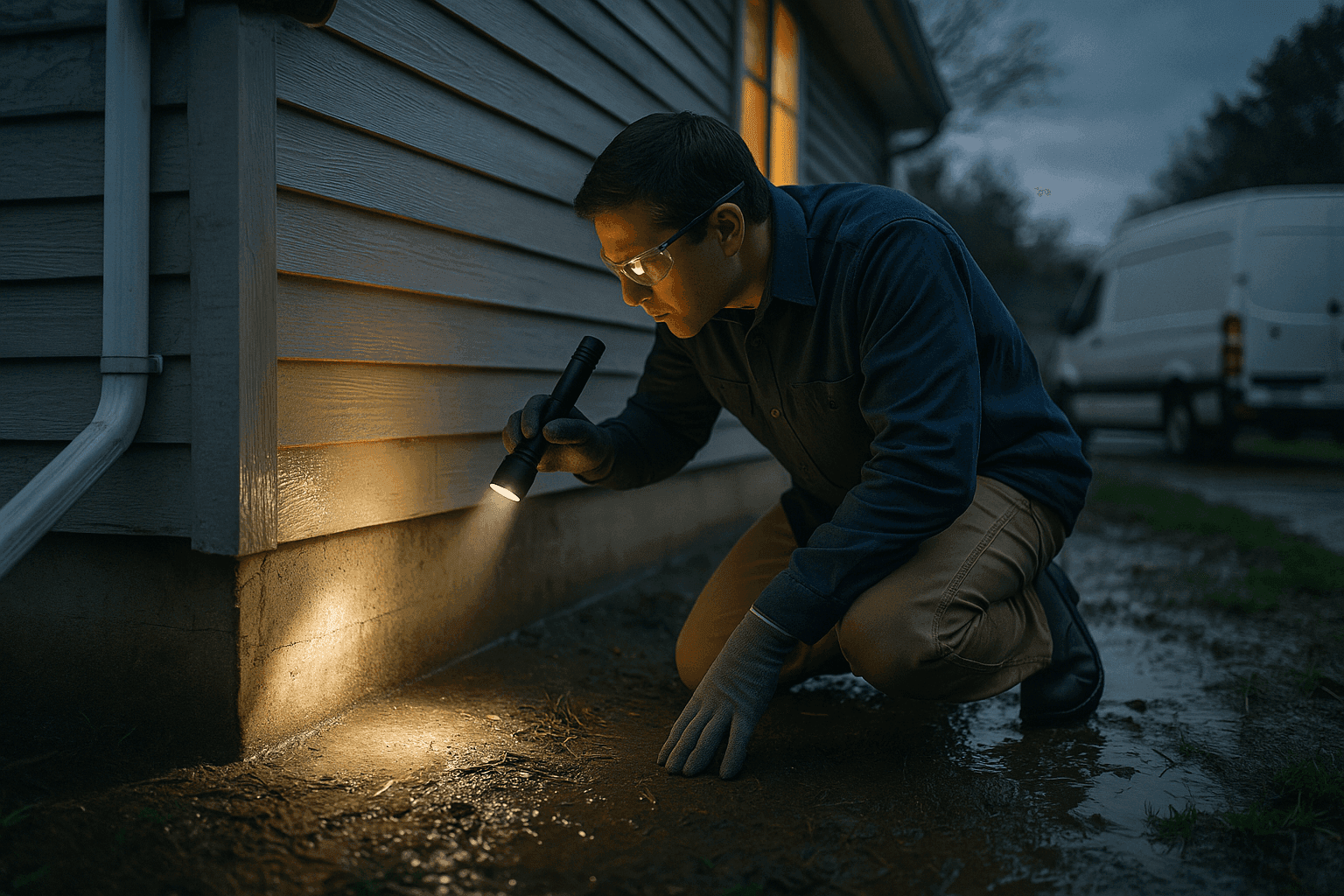
When disaster hits, every second counts. Floods, storms, fires, and other emergencies can turn your home upside down in moments. You want to keep your family safe—and stop small problems from snowballing into costly nightmares.
At HiTech Inspect, we know how overwhelming those first hours can feel. This guide gives you the steps to take right now, before the damage gets worse. Let’s walk through what to check, how to stay safe, and when to call in the pros.
Why Immediate Emergency Home Inspection Matters
Emergencies don’t wait. Water from a burst pipe creeps into walls. A cracked roof lets in more rain with every passing minute. Electrical hazards can spark unseen fires. Think of your house like a ship—after a storm, you need to check for leaks before you can safely sail on.
An emergency home_inspection is your first defense. Acting quickly helps you:
- Prevent further structural damage
- Keep your family safe from hidden hazards
- Document issues for insurance claims
- Make informed decisions about urgent repairs
Industry standards from organizations like the International Association of Certified Home Inspectors (InterNACHI) and the National Fire Protection Association (NFPA) stress the importance of early, thorough assessments after any major incident.
Initial Safety Assessment 🛑
Before you step inside, pause. Safety comes first. Even if the emergency seems over, hidden dangers could lurk.
Essential Safety Steps
- Check for strong odors: If you smell gas, leave immediately and call emergency services.
- Look for visible hazards: Downed power lines, standing water, and unstable structures are red flags.
- Test for carbon monoxide: Use a battery-powered detector. Symptoms of exposure include dizziness, headache, and nausea.
- Assess fire risks: Smoldering embers, melted wiring, or hot spots can reignite.
- Inspect for structural risks: Cracks in walls, sagging ceilings, and warped floors may warn of collapse.
If you have any doubt, wait outside and call a professional. Your safety is always worth more than belongings.
Key Areas to Inspect Right Away
Once it’s safe, do a quick but careful walkthrough. Focus on the spots most likely to be affected by the emergency.
Roof and Attic
- Look for missing shingles, holes, or sagging areas.
- Inside the attic, check for wet insulation, daylight shining through, or water stains.
Foundation and Basement
- Scan for new cracks, bulges, or shifting.
- Feel for dampness, puddles, or musty odors.
Plumbing Leaks
- Listen for dripping or running water.
- Check under sinks, around toilets, and near appliances.
Electrical Systems
- Inspect the main panel for scorch marks or tripped breakers.
- Look for exposed wires, flickering lights, or outlets that don’t work.
HVAC
- Smell for burning odors from vents.
- Make sure the system turns on and off properly.
Other Critical Areas
- Windows and doors: Broken glass, warped frames, or sticking.
- Ceilings and walls: New stains, bubbling paint, or sagging.
- Garage, deck, and patio: Structural shifts or loose boards.
Write down anything unusual. Photos help, too—especially for insurance.
Tools and Equipment Needed for a Quick Inspection 🧰
You don’t need a truckload of gear to do a basic check. Here’s what to grab:
- Flashlight (with extra batteries)
- Work gloves and sturdy shoes
- Smartphone or camera for photos
- Notepad and pen
- Basic toolkit (screwdriver, wrench, pliers)
- Moisture meter (optional, but helpful)
- Carbon monoxide detector
- Protective mask (especially after fire or flood)
Keep these supplies in an easy-to-reach spot. You never know when you’ll need them.
When to Call a Professional
Some problems are too risky—or too complex—for DIY. If you notice any of the following, call a certified inspector or emergency services right away:
- Strong gas smell or hissing pipes
- Signs of electrical fire (burn marks, melted outlets, tripped breakers that won’t reset)
- Major structural shifts (walls bowing, ceiling sagging, doors jammed shut)
- Standing water that won’t drain
- Mold growth larger than a dinner plate
- Unexplained illness after exposure (dizziness, headaches, coughing)
Professionals use specialized equipment and follow standards set by organizations like the American Society of Home Inspectors (ASHI). They’re trained to spot hidden dangers and can provide the detailed reports insurance companies often require.
What Certified Inspectors Do on Arrival
When a HiTech Inspect certified inspector arrives, they bring more than a flashlight. Here’s what to expect:
- Comprehensive safety check: They’ll use advanced tools to test for carbon monoxide, gas leaks, and electrical hazards.
- Detailed structural review: Inspectors look for subtle signs of hidden damage—cracks, shifts, or weakened supports.
- Moisture and mold assessment: Using moisture meters and thermal cameras, they’ll find damp spots you can’t see.
- System-by-system evaluation: From HVAC to plumbing, each major system gets a professional once-over.
- Thorough documentation: Photos, written notes, and recommendations for next steps.
Their goal: give you a clear, actionable list so you can prioritize repairs and keep your family safe.
Preventive Measures for Future Emergencies 🛡️
You can’t stop every storm or accident, but you can make your home more resilient. Think of this as weatherproofing your peace of mind.
Seasonal Preparation Tips
- Before storm season: Clean gutters, trim trees, and secure loose outdoor items.
- Fire safety: Install smoke and carbon monoxide detectors. Check them twice a year.
- Flood prevention: Install a sump pump and keep important documents in a waterproof container.
- Winter readiness: Insulate pipes, seal windows, and have your heating system serviced.
Schedule routine inspections—even when nothing is wrong. It’s like getting a checkup before you feel sick. The National Fire Protection Association and the U.S. Environmental Protection Agency (EPA) recommend regular checks for fire, water, and indoor air quality hazards.
Costs and Time Factors: What to Expect
Emergency home_inspection costs and timelines vary based on the size of your home and the type of emergency. Here’s what usually affects the process:
- Severity of damage: More damage means more time and in-depth inspection.
- Type of systems affected: Specialized checks (like sewer scopes or mold tests) may require extra visits.
- Documentation needs: Insurance claims sometimes require detailed reports and follow-ups.
A basic emergency home_inspection might take a few hours. More complex situations—like widespread water or fire damage—can take a full day or longer. Costs depend on the scope and types of inspections needed, such as radon or asbestos testing.
When It’s Truly an Emergency
How do you know when it’s time to drop everything and act? Here are the signs:
- Immediate danger to life or health: Gas leaks, fire, or flooding.
- Structural instability: If you see walls, ceilings, or floors moving or warping.
- Unexplained illness: If anyone in the home feels sick after the incident.
- Rapidly worsening damage: Water rising, cracks spreading, or mold appearing overnight.
If you’re unsure, err on the side of caution. It’s always safer to overreact than to miss a hidden hazard.
Frequently Asked Questions
How soon should I inspect my home after an emergency?
As soon as it’s safe. The faster you identify problems, the less chance they have to get worse.
Can I do an emergency home_inspection myself?
You can do a basic check, but some hazards—like electrical or structural issues—require professional expertise and equipment.
What should I document for insurance?
Take clear photos, make detailed notes, and keep receipts for any emergency repairs. Most insurance companies require thorough documentation.
Are emergency inspections different from routine inspections?
Yes. Emergency inspections focus on immediate risks and damage, while routine inspections are broader and often scheduled in advance.
Special Considerations for Emergency Home Inspection Services 🏠
Every home is different. Age, construction materials, and previous repairs all play a role in how your house weathers a crisis. If you have unique systems—like a well, septic tank, or pool—make sure they’re included in your emergency home_inspection.
Some issues, such as asbestos, lead paint, or radon, require specialized testing. Certified inspectors follow strict guidelines from agencies like the EPA and Occupational Safety and Health Administration (OSHA) to ensure your home is safe for everyone.
Emergencies are stressful, but you don’t have to face them alone. A quick, careful inspection can make all the difference. If you need help or have questions, HiTech Inspect is here for you.
Call HiTech Inspect now — or reach us anytime at 844-484-8363 .