What to Expect During a New Construction Home Inspection: Step-by-Step Overview
Buying a newly built home feels like stepping into a blank canvas—everything crisp, untouched, and full of promise. But even a brand-new house can hide critical mistakes behind fresh paint and perfect drywall. At HiTech Inspect, we know how important it is for homeowners to catch these issues before they become expensive headaches.
A home_inspection for new construction isn’t just a formality. It’s your best defense for long-term value, safety, and peace of mind. Let’s walk through each phase of the process, what gets checked, and how you can work with your builder to make sure nothing is missed.
Pre-Drywall Inspection: The First Look Behind the Scenes 🏗️
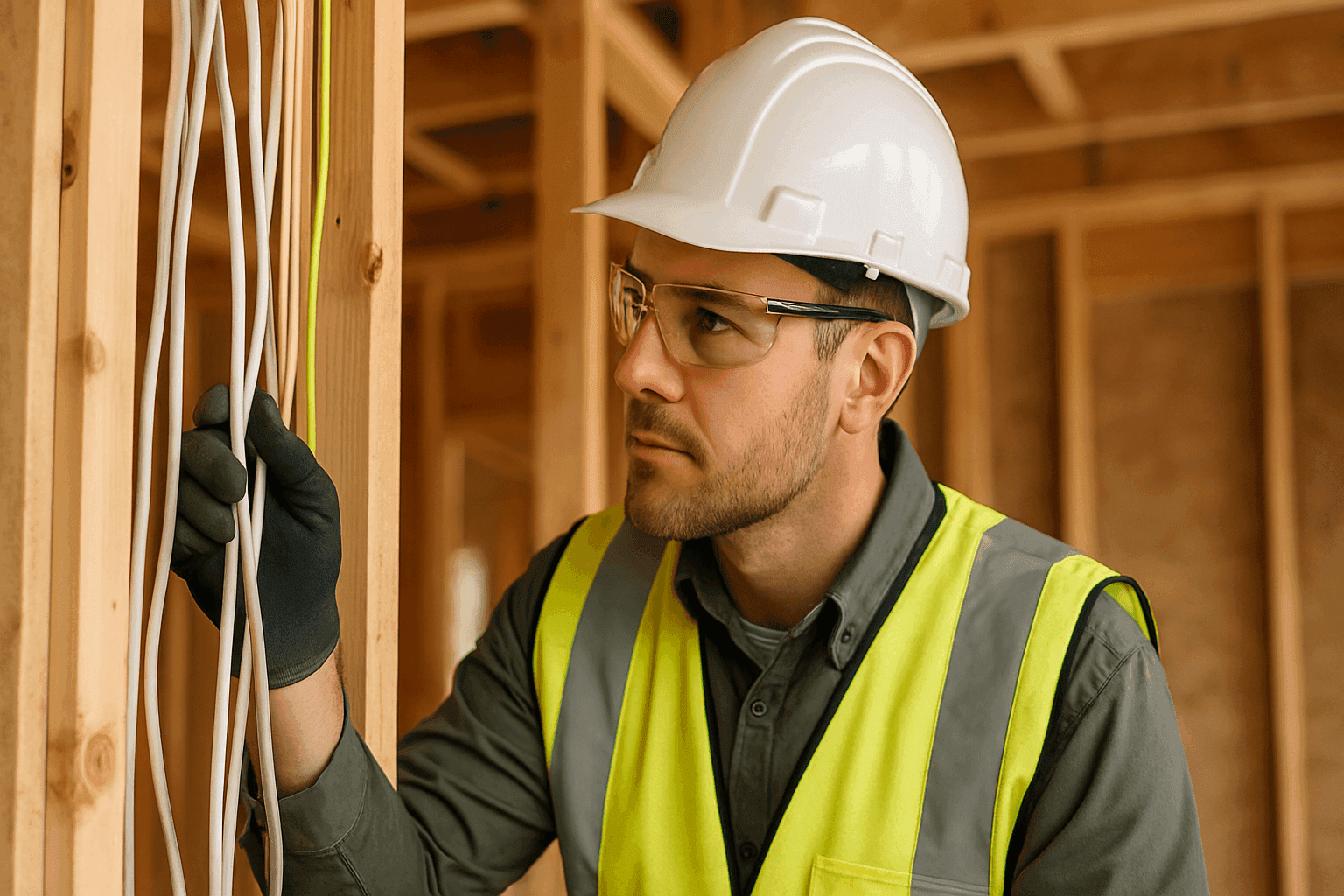
Before insulation and drywall seal everything away, the pre-drywall inspection is your chance to see the skeleton of your home. Think of it like checking the frame of a car before the body panels go on—what’s hidden later is what truly matters.
What’s Checked:
- Framing: Walls, roof trusses, beams, and joists are examined for alignment, proper nailing, and bracing. Structural errors here can haunt you for decades.
- Plumbing Rough-In: Inspectors verify correct placement of pipes, proper support, and that there are no obvious leaks or misalignments that could cause water damage later.
- Electrical Wiring: All wiring should be securely fastened, run through approved pathways, and separated from plumbing where required by code.
- HVAC Ductwork: Ducts are checked for secure connections, correct routing, and no visible damage or blockages.
- Windows and Doors: Openings are measured and checked for square, solid installation, and weatherproofing.
- Basement and Foundation: Look for cracks, water intrusion, and proper insulation placement before it’s hidden.
Why It Matters:
Catching issues at this stage is far easier—and far less expensive—than waiting until the drywall is up. Small errors now can grow into major repairs later.
Tips for Homeowners:
- Attend the pre-drywall inspection if possible. Bring your own punch list and questions.
- Review the builder’s plans alongside your inspector to ensure nothing is overlooked.
- Reference building code requirements (such as those from the International Code Council) during your walkthrough.
Final Inspection Before Closing: The Last Line of Defense 🏡
The final inspection is your opportunity to make sure the finished home matches your expectations—and building standards. It’s the home_inspection equivalent of a dress rehearsal: everything should function as intended.
What’s Checked:
- Interior and Exterior: Doors, windows, siding, trim, and paint for proper installation and finish.
- Roof and Gutters: Inspect for leaks, proper flashing, shingle placement, and functional gutters.
- Electrical Systems: Verify panel labeling, outlet safety, GFCI/AFCI protection, and overall wiring.
- Plumbing Systems: Test all fixtures, check for leaks, ensure proper drainage and venting.
- Appliances: Ensure all installed appliances work as specified.
- HVAC Operation: Check heating, cooling, and ventilation for correct operation and airflow.
- Garage, Deck, and Patio: Inspect for code compliance, safety, and craftsmanship.
- Safety Features: Smoke detectors, carbon monoxide detectors, and fire safety measures.
Why It Matters:
Once you close, most minor builder defects become your responsibility. This is your moment to ensure every system is working and every detail is as promised.
Tips for Homeowners:
- Bring your contract and builder specs to reference during the inspection.
- Use a checklist to keep track of every room and system.
- Don’t rush—schedule enough time for a thorough walkthrough.
Common New Construction Issues (And Why They Happen) 🛠️
Even with modern techniques, new construction homes can have surprising flaws. Here are problems HiTech Inspect often finds during a home_inspection:
- Improper Grading: Water pooling near the foundation from poor grading can lead to basement leaks.
- HVAC Shortcuts: Ductwork disconnected in attics or crawl spaces, leading to poor airflow and high energy bills.
- Plumbing Mistakes: Misaligned drains, missing traps, or loose fittings that can cause leaks.
- Electrical Errors: Incorrectly wired outlets, ungrounded circuits, or missing GFCI/AFCI protection.
- Roofing Flaws: Poor shingle installation or flashing mistakes that allow water intrusion.
- Missing Insulation: Gaps in attic or wall insulation, reducing energy efficiency.
- Window and Door Leaks: Improper flashing or caulking causing drafts and water entry.
Why Do These Happen?
- Tight construction timelines can lead to missed steps.
- Subcontractors may overlook details under pressure.
- Not all builders use third-party inspectors to double-check work.
How to Address Builder Defects: Your Punch List Game Plan 📝
A punch list is your record of items the builder needs to fix before you take ownership. Treat it like a grocery list for quality—everything on it matters.
How to Build and Use Your Punch List:
- Walk through the home with your inspector and note every concern, no matter how minor.
- Group issues by priority: safety first, then function, then finish.
- Communicate clearly with your builder—ask for written confirmation that items will be addressed.
- Schedule a re-inspection after repairs are made.
Tips for Collaborating with Builders and Inspectors:
- Stay polite but firm. Builders are more responsive to homeowners who are organized and clear.
- Reference your home_inspection report to support your requests.
- Understand your warranty period and use it wisely—many defects are only covered for a limited time.
Example Punch List Items:
- “Fix loose handrail on staircase.”
- “Correct grading near front steps.”
- “Replace cracked window pane in living room.”
Why Third-Party Inspections Matter for New Construction
Builders often have their own quality checks, but third-party inspections offer something different: independence. An unbiased inspector works for you, not the builder. That means you get honest feedback, not just a stamp of approval.
Benefits:
- Uncovers issues the builder may miss or overlook.
- Gives you leverage for repairs before move-in.
- Protects your investment for years to come.
Authoritative Reference:
The U.S. Department of Housing and Urban Development (HUD) recommends third-party inspections for new homes, and many state and local building codes require independent verification at key stages.
Practical Tips for a Seamless Inspection Process
- Be Present: Whenever possible, attend both the pre-drywall and final inspections. Your questions matter.
- Ask for Documentation: Request photos and written reports from your inspector.
- Stay Organized: Keep all inspection notes, punch lists, and builder correspondence in one place.
- Know Your Rights: Review your contract and new home warranty; understand what’s covered and for how long.
- Schedule Early: Book your home_inspection as soon as you have a construction timeline. Popular times fill up quickly.
What to Expect: Septic, Well Water, and Specialized Inspections
Not all new homes are alike. Rural properties or custom builds may require:
- Septic System Inspection near you: Ensures your system is properly installed, code-compliant, and leak-free.
- Well Water Inspection: Verifies water quality and flow, protecting your family’s health.
- Radon, Mold, and Indoor Air Quality Testing: Checks for hidden hazards that can occur even in new construction.
- Pool and Spa Inspection: Confirms safe installation of all water features.
These specialized inspections should be coordinated with your main home_inspection for a comprehensive review.
Pro Tips for Resolving Punch List Items
- Follow Up in Writing: After the final walkthrough, send your punch list to the builder and ask for a timeline.
- Request Photos of Repairs: Builders should document fixes, especially those hidden behind walls or underground.
- Schedule a Final Walkthrough: Never assume items are fixed—verify in person or with your inspector.
- Document Everything: Keep a record of conversations, photos, and completed repairs for future reference.
Frequently Asked Questions
What if my builder says inspections aren’t necessary?
Even new homes can have hidden defects. Professional home_inspection is essential for your protection and peace of mind.
Will my warranty cover everything?
Most builder warranties cover structural and major systems for a set period. However, cosmetic or minor issues may have a much shorter window for repair—sometimes just 30–90 days.
Can I bring my own inspector, or do I have to use the builder’s?
You have the right to hire a third-party inspector for an objective assessment. Builders may have their own inspectors, but they work for the builder, not you.
Do I need a home_inspection if the city has already approved my home?
Municipal inspections focus on code compliance and may miss quality or safety issues. A home_inspection is a more detailed review, tailored to your long-term interests.
Local and Seasonal Considerations
- Climate: In areas with heavy rain or snow, pay special attention to roof, gutters, and foundation grading.
- Soil Type: Expansive clay or sandy soils can affect foundation stability—ask about soil reports and related inspections.
- Seasonal Timing: Schedule inspections when weather allows for a full review of exterior systems like decks, patios, and roofing.
- Regional Codes: Local building codes may have additional requirements for things like hurricane strapping, earthquake bracing, or wildfire-resistant materials. Reference your local code authority for specifics.
Final Thoughts: Advocate for Your Investment
A new construction home is a major investment. The inspection process—when done right—gives you the knowledge and leverage to ensure your builder delivers quality that lasts. Don’t rush. Don’t skip steps. And never assume “new” means “perfect.”
At HiTech Inspect, we treat every home as if it were our own. Bring us your questions, your punch list, and your expectations. We’ll help you see what’s behind the walls—so your new house truly becomes home.
Call HiTech Inspect now — or reach us anytime at 844-484-8363 .